Operational dependency brief
A scoped record of affected infrastructure, dependent services and responsible operational leads, connecting the field activities to the continuity conditions approved by the client team.

Plan the change around the services it supports
Healthcare and life sciences environments bring different service priorities to infrastructure work, from clinical operations to research platforms and laboratory systems. O-Connect builds the field plan around those priorities, coordinating access, installation and technical checks with the client's operational owners. Continuity arrangements and acceptance responsibilities are agreed before work reaches the active environment.
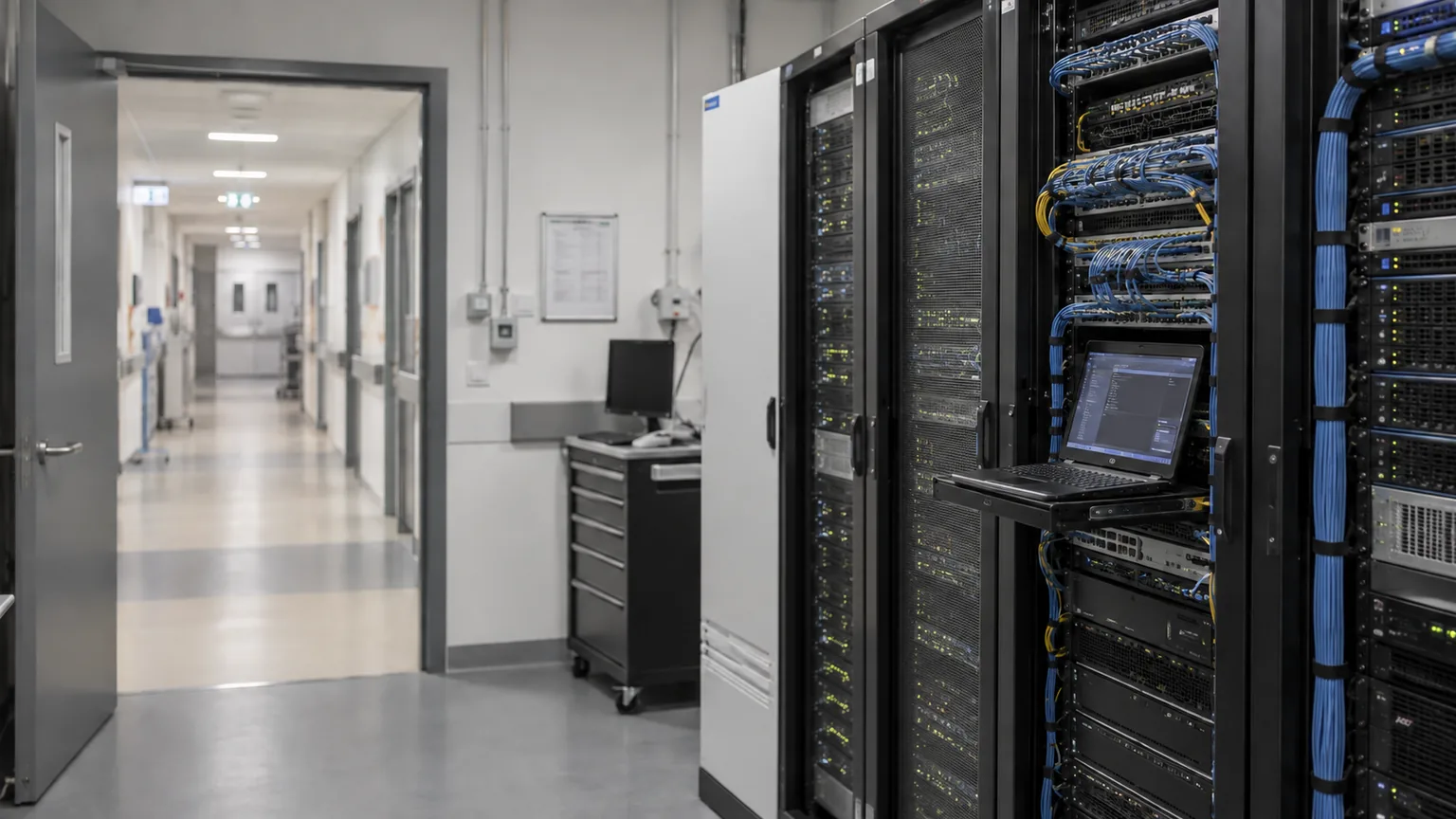
The first task is to establish which services depend on the infrastructure in scope and who can authorize changes affecting them. We work with the client's technical and operational leads to identify restricted areas, equipment access conditions and permitted work periods. Their continuity arrangements become explicit inputs to the field sequence and its release points.
Clinical, research and laboratory teams may need different acceptance evidence from the same infrastructure project. The delivery plan separates physical installation and connectivity checks from the application, workflow and specialist validation owned by those teams. Documentation follows the agreed information-handling requirements, and any evidence involving sensitive operational content is subject to the client's permission and approved process.
A scoped record of affected infrastructure, dependent services and responsible operational leads, connecting the field activities to the continuity conditions approved by the client team.
An agreed plan for site entry, restricted work areas and authorised installation periods, with escalation contacts and release conditions suited to the specific operational setting.
Physical installation and connectivity results captured through the client's approved documentation process, with sensitive information boundaries and any limits on recording established before work begins.
A closeout checklist distinguishing field completion from client-owned application, workflow or specialist validation, with outstanding checks assigned to the teams authorised to assess their services.
Identify the service owners and local work constraints, then confirm the client-approved continuity arrangements and the decisions required before any infrastructure activity can begin onsite.
Complete the approved installation and connection work within the agreed access conditions, reporting issues promptly to the technical and operational owners responsible for the environment.
Present field results alongside the client's required acceptance checkpoints, confirm ownership of outstanding validation and assemble the approved records for the receiving technical operations team.

The client receives a documented account of the physical and technical work, with service-specific acceptance still owned by the appropriate operational teams. Clear scope, controlled evidence and assigned follow-up actions support a deliberate transition from installation into support for the clinical, research or laboratory environment.
Define your acceptance criteriaThe client must first define the permitted work area, access conditions and operational restrictions. We incorporate those requirements into the scoped delivery plan, including coordination and release points. Any activity depends on the site's authorization and the agreed continuity arrangements being in place.
Those checks remain with the client's designated application, clinical or specialist teams unless separately and explicitly scoped. Our standard field evidence addresses the agreed infrastructure installation and technical checks. We coordinate its handover with the wider acceptance activities identified by the client.
The evidence requirements and permitted recording methods are agreed with the client before work. We use the approved process for in-scope records and flag requests that could expose sensitive content. Applicable information-handling decisions and access permissions remain under the client's authority.

Coordinate infrastructure deployment with controlled access, segregated network paths and traceable records aligned to your approved site requirements.

Prepare your data center for delivery with power, cooling, rack, access and pathway reviews that make installation dependencies and ownership clear.
Build an evidence-based handover with agreed checks for firmware, hardware health, thermal behaviour and workloads across the deployed infrastructure.